Finding the latest deals…
iPhone 17e NHS & Emergency Services Discount Guide (2026)

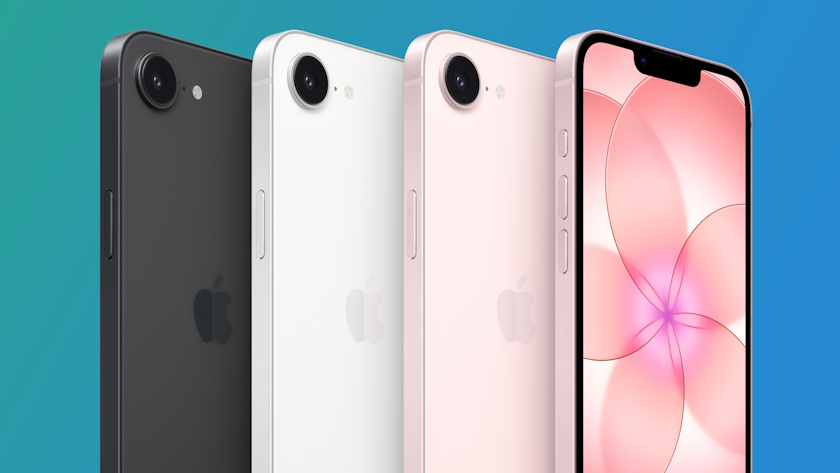


NHS staff, police officers, firefighters, and other emergency service workers can access dedicated discount schemes on the iPhone 17e across several of the UK's largest networks. The savings are real and consistent, but the schemes work differently at each network, and the highest percentage discount does not always produce the lowest total bill.
This guide covers which networks offer discounts, how each scheme works in practice, how much can realistically be saved, and how to claim.
Which Networks Offer Discounts on the iPhone 17e
Three networks run structured discount schemes for NHS and blue light workers: EE, O2, and Vodafone. Three does not operate a formal scheme but offers exclusive high-data deals through partners including Blue Light Compare.
EE provides 20% off the monthly airtime plan for NHS staff, emergency services, and social care workers through its Perk scheme. The discount applies to the airtime element of Flex Pay contracts and 12 or 24-month SIM-only plans, and can be extended to up to four additional accounts for friends or family. Verification requires a valid NHS email address or NHS photo ID.
O2 runs its discount through the O2 Open scheme, accessed via Health Service Discounts at healthservicediscounts.com, with no Blue Light Card subscription required. NHS staff receive 25% off the airtime element on plans of 3GB or above, or 15% on plans below that level. The discount applies to the airtime portion only, not the device repayment, under O2's split Refresh contract structure.
Vodafone offers 25% off 24-month handset airtime plans, or 20% off 12 and 24-month SIM-only and tablet plans, through its Advantage scheme. The discount can be shared with up to five additional connections, making it the strongest option for households where multiple people are upgrading. Verification is done online with an NHS email address, Blue Light Card, or employer ID.
Three's exclusive deals through Blue Light Compare include 150GB data plans at reduced monthly prices not available on Three's own website. For high data users, these deals can offer better overall value than a percentage airtime discount applied to a smaller allowance.
How Much NHS and Blue Light Workers Can Actually Save
A 25% airtime discount on a £20 monthly airtime plan saves £5 a month, which adds up to £120 over a 24-month contract. On a £30 airtime plan, the same discount saves £180. The actual figure depends on the airtime portion of the specific deal rather than the headline monthly cost, since the discount does not apply to the device repayment element.
On a bill structured as £15 device repayment and £20 airtime, for example, a 25% discount brings the airtime to £15, saving £60 a year and £120 across a two-year contract. Understanding the split between the two components before signing makes it straightforward to calculate the real saving rather than relying on the headline percentage.
The discount is only one part of the picture. A lower base deal without any NHS discount will sometimes produce a cheaper monthly total than a higher-priced plan with 20 or 25% off the airtime. Comparing the discounted price against the best publicly available deal is always worth doing before committing.
How to Claim an NHS or Blue Light Discount on the iPhone 17e
The process varies slightly by network but follows a similar pattern across all three.
For EE, visit the EE Perk portal and register with a valid NHS email address or NHS photo ID. A discount code is generated and applied during checkout when purchasing online. The code cannot be added after the point of sale.
For O2, sign up through Health Service Discounts using an NHS work email address or payslip. Once verified, the employer code NHS01 is used through the O2 Open account and applied within 28 days of starting the contract.
For Vodafone, sign up through the Vodafone Advantage portal using an NHS email address, Blue Light Card, or a letter from an employer. The discount code is applied at checkout on vodafone.co.uk.
In all cases, the discount must be applied online and cannot be added retrospectively beyond each network's stated window.
Other Providers Worth Checking
Carphone Warehouse, Sky Mobile, Tesco Mobile, and iD Mobile do not run dedicated NHS discount schemes but regularly offer competitive iPhone 17e deals through seasonal promotions, lower upfront costs, and cashback offers.
The iPhone 16 is also worth checking at these retailers, as its price has fallen since the 17e launched and it occasionally represents the cheaper contract option depending on the current deal. In some cases these providers undercut the NHS-discounted price on the big three networks, which is why comparing across all providers rather than defaulting to the one with the highest stated discount produces the best result.
Choosing the Right Network
Coverage, contract structure, and household size all affect which network represents the best value for a given worker.
EE leads the UK on 4G and 5G coverage breadth, which matters most for workers who travel between sites or work in rural areas.
O2's Refresh structure allows the handset to be upgraded mid-contract without early termination fees on the usage plan, which suits shift workers who need flexibility. Vodafone's five-account sharing benefit makes it the strongest choice for households upgrading multiple devices at the same time. Three is worth checking first for anyone who uses large amounts of mobile data and is based in a city with reliable Three coverage.
Annual price rises apply across most major networks each April and compound over a 24-month term, so the cost in months 13 to 24 is worth factoring into any comparison alongside the opening monthly rate.
Deals and discount terms change regularly. Verifying the current offer directly with the network before signing remains the most reliable step in the process.